
Live Lighter: A Joyful Path to a Plastic-Free Home
Today we dive into creating a plastic-free home with practical, beautiful strategies for the kitchen, bathroom, bedroom, and beyond. Expect easy swaps, honest cost-saving tips, and small rituals that add calm. You’ll find stories, tools, and measurable steps that make progress visible and satisfying without sacrificing convenience or comfort.
Kitchen: Where Daily Habits Shape Lasting Change

Food Storage That Actually Works
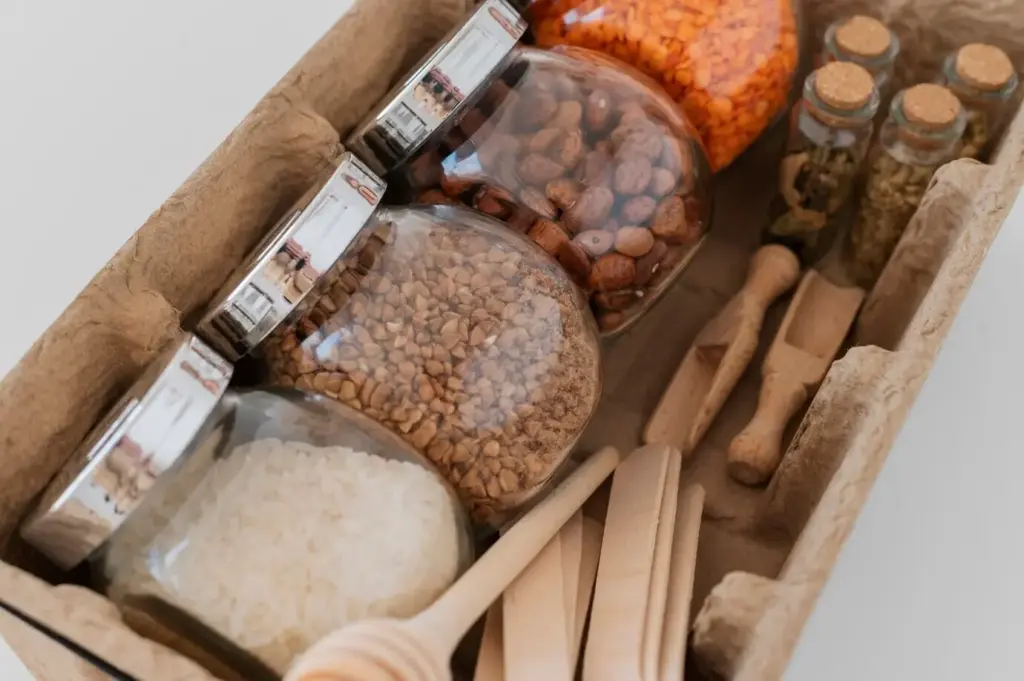
Glass jars, stainless steel containers, and beeswax wraps keep food fresher while making your fridge look like a calm pantry display. When our family switched to visible jars, citrus stayed bright longer and snacks finally got eaten. Labeling lids, batching meal prep, and using breathable produce bags reduce soggy greens and midweek frustration, too.
Shopping Without the Crinkle
Bring lightweight cloth bags, rigid containers for deli counters, and a collapsible crate for the car trunk. A short script—“Could you place this in my container, please?”—helps. Bulk bins cut packaging, and farmers’ markets often welcome reusable options. Keep a spare tote near your keys, because the easiest kit is the one you remember.

Cooking Tools That Last a Lifetime
Choose stainless steel, cast iron, wood, and silicone where appropriate, prioritizing repairable pieces over flashy novelty. A well-seasoned skillet outlives nonstick coatings and handles nearly everything. Wooden spoons patina with stories, not scratches. Sharpen knives, avoid plastic-handled gadgets, and select modular lids that fit multiple pots, simplifying drawers and encouraging mindful, joyful cooking.

Skin and Hair Care, Simplified
Swap bottled washes for bar soap and shampoo bars stored on a draining dish to prevent mush. Look for sulfate-free formulas and minimal cardboard packaging. Refill stations for liquid castile soap stretch budgets. A few multitaskers—like a nourishing oil—replace several plastic-heavy products. Your shelf clears, your routine speeds up, and your skin thanks you.
Shaving and Grooming with Less Fuss
A stainless steel safety razor feels substantial, offers smoother results, and uses inexpensive recyclable blades. Pair it with a solid shaving bar in a tin and a simple brush. Replace plastic combs with wood or horn for durability. Maintain blades dry between uses, and you’ll cut waste and irritation while restoring calm, classic grooming rituals.
Bedroom: Textiles, Air, and Restful Choices

Bedding That Breathes
Choose linen or organic cotton sheets for breathable comfort and reduced microfiber shedding. A wool duvet regulates temperature across seasons, cutting the need for multiple synthetic inserts. Wash with mild detergent and skip fabric softener sheets by using wool dryer balls. The result: cozier nights, simpler laundry, and fewer plastic fibers released into wastewater systems.
Furniture and Decor With Gentle Materials
Opt for solid wood furniture, secondhand metal lamps, and woven baskets over plastic bins. Natural fiber rugs can be spot-cleaned and repaired, while synthetic rugs shed microplastics and trap dust. Neutral, repairable pieces outlast trends. One client swapped a plastic dresser for vintage wood and found both sturdiness and surprising extra storage, without chemical smells.
A Laundry Routine That Reduces Microfibers
Wash full loads on cooler cycles to minimize friction, and use a microfiber-catching bag or filter. Line dry when possible; it preserves fabric and cuts power use. Liquid detergent in refillable jugs or powder in cardboard beats pods wrapped in plastic. The payoff is quieter laundry day and noticeably cleaner lint traps over time.
Cleaning: Powerful Recipes and Refill Rituals
A small set of ingredients handles nearly every mess: vinegar, baking soda, castile soap, washing soda, and citric acid. Mix in glass spray bottles with labeled recipes and child-safe caps. Refill stations reduce bottles dramatically. Add essential oils sparingly. The surprise is how effortlessly countertops shine, sinks sparkle, and routines shift from chores to calm rituals.
All-Purpose Solutions You Can Mix in Minutes
Combine one part distilled vinegar with one part water for glass, mirrors, and stainless steel, buffed with a tight-weave cloth. For grime, a teaspoon of castile soap helps. Keep recipes taped to bottles for easy refills. This approach ends decision fatigue, shrinks plastic waste, and makes cleaning satisfyingly quick, clear, and repeatable each week.
Dishwashing, Surfaces, and Grease
A solid dish soap puck, bamboo brush, and refillable pump conquer pans without plastic bottles. For greasy stoves, sprinkle baking soda, spritz vinegar, and let it fizz before lifting residue with a reusable cloth. Rinse, then finish with a light castile solution. Simple steps, minimal packaging, and a gleaming kitchen you actually enjoy maintaining daily.
Tools That Make Tidying Satisfying
Choose a sturdy metal bucket, cotton or cellulose cloths, and a wooden broom with replaceable heads. A handheld HEPA vacuum captures fine dust. Hang cloths to dry on a hook rail to avoid mildew. When tools look and feel good, you reach for them more often, and the home stays naturally tidy with fewer impulse purchases.
Beyond the Front Door: Outings, Work, and Community
Life happens outside the house, so prepare a small kit: bottle, cup, utensils, and a compact container. A conversation-ready attitude helps when declining disposables. Create gentle scripts and share extras with friends. At work, suggest refill stations and bulk snacks. Momentum grows through cheerful consistency, not perfection, and others often join when invited kindly.



Mindset, Budget, and Measurable Progress
You don’t need to do everything at once. Start with one room, track what leaves your trash bin, and set a monthly swap goal. Focus on reusables you’ll truly love. Celebrate milestones, share photos, and invite family input. Progress multiplies when pride replaces pressure, and budgeting shifts from impulse buys to durable, repairable essentials.
Start Small, Track Clearly
Begin with a trash audit for one week and list the top five disposable items. Replace one per week and note savings and satisfaction. A simple spreadsheet or phone note keeps momentum visible. Seeing the bag fill slower becomes motivating proof, and progress sticks because it’s easy to measure, celebrate, and refine without stress.
Spend Less, Choose Better
Durable goods can feel pricier upfront, yet lifetime cost drops dramatically. Compare per-use pricing: a safety razor, sturdy jars, and quality brushes outlast many plastic versions. Shop secondhand for jars and cookware. Redirect grocery budget toward produce and bulk basics. Your wallet relaxes, and your home gains calm, clean lines that withstand daily life.